
Do you know what your colleagues really value? Is it salary, flexibility, purpose or something else entirely? And do those priorities change from one generation to the next?
A recent report from our partner job board, CharityJob, explores what drives people working in or applying for charity sector roles, and how their expectations and values shift across generations.
While it’s easy to assume that each generation wants something completely different from work, the findings suggest there is far more common ground than many employers might expect.
What matters most to candidates
When weighing up whether to apply for a new role, the same fundamental concerns dominate regardless of generation. When asked what mattered most, respondents highlighted the following priorities.
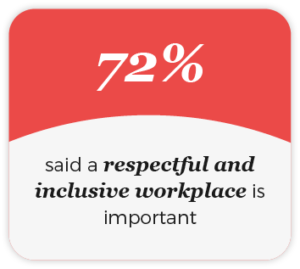
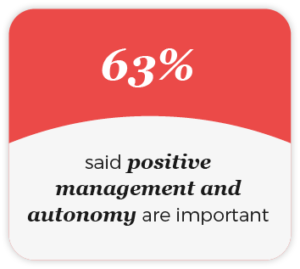
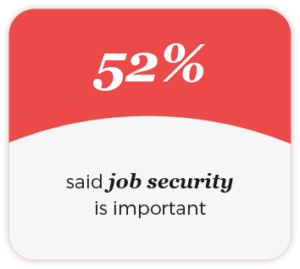
Open and transparent communication also ranks highly, particularly among Gen X and Baby Boomers, while younger respondents place more emphasis on purpose and social impact.
While candidate expectations vary according to age and experience, they’re more about shifts in emphasis than entirely different wish lists.
Beyond the salary
Only 20% of respondents considered salary competitiveness extremely important when applying for a new job.
Compensation matters, but it’s not the headline driver it’s often made out to be. Much more weight was given to work/life balance across the generations, with 94% judging it as extremely or very important, followed by flexibility in hours and location (81%).
Hybrid working also remains a strong favourite across generations, with 65% preferring some form of blended working arrangement.
Principles over pay
75% of respondents said they would not accept a higher-paying job that conflicted with their values.
This rises to 82% among Baby Boomers, which may come as a surprise to those who still assume that purpose is primarily reserved for younger generations.
Interestingly, Gen Z were the most open to compromise, despite also being the group most likely to prioritise social impact and inclusion in the workplace.
While this may seem like a contradiction on paper, it makes more sense when you consider the stage this group is at in their careers and the financial pressures that come with early-stage earnings and housing prices. It’s not that values aren’t important; it’s that reality sometimes has a way of interrupting them.
Wellbeing is no longer a perk – it’s a requirement
One clear theme revealed from the research is the rising importance of wellbeing at work, with many respondents prioritising mental health over salary.
84% would leave a high-paying job if it consistently damaged their mental health.
Burnout is also widely reported across generations, with 78% saying they feel emotionally exhausted at work at least sometimes. Millennials report the highest levels of burnout, while older groups are less likely to experience it, often linked to greater confidence in setting boundaries.
This suggests the issue is less about age and more about workplace environment. Where people feel supported, respected and able to speak up, they stay longer and perform better.
If they don’t, they leave or quietly disengage.
Alongside this, recognition continues to emerge as a key driver of retention – not financial reward, but consistent acknowledgement of contribution and effort.
In a nutshell…
Strip away generational labels, and there is strong common ground in what people look for in a job:
- Flexibility in hours and location, with an emphasis on work/life balance
- Workplaces that value wellbeing and don’t leave people running on empty
- Values that are truly lived, not just written down
- Enough respect that people feel good about staying
We are often reminded of generational differences, but here they are not the headline. In reality, what people want from work is far more alike than we might first assume.
What does this mean for employers?
When writing your next recruitment advert, think beyond the job description. While responsibilities, experience and qualifications remain important, they’re rarely what inspires someone to apply.
Use your advert to showcase the things candidates consistently say influence their decision to apply: your culture, flexibility, wellbeing, values and the support they’ll receive. These are often the factors that help someone picture themselves in the role and encourage them to take the next step.